 Hisashi Space
November 3, 2026 · 12 min read
Smart Glasses in Japan: Yes or No?

In Japan, every phone camera goes click. You can't turn it off. And this May, a camera that makes no sound went on sale here. On your face.
I've run a web business in Tokyo for 22 years, so I asked a simple question: what actually goes wrong if everyone in Japan starts wearing these? I also made a video about it. This article has the parts a video can't hold: the price list, the rules other countries and businesses are writing, the Japanese police numbers on secret photography, and the exact lines I would use at my own company.
The short version
- Ray-Ban Meta and Oakley Meta glasses went on sale in Japan on May 21, 2026. The cheapest pair is ¥73,700, about $470.
- Outside Japan, the lines are already being drawn: private contracts, pubs, theatres, courthouses, and now a national ban proposed in Norway.
- Japan made secret photography a national crime in 2023. Arrests did not drop. In 2023, police made 6,933 arrests for secret photography, up from 5,737 the year before.
- Four out of five of those cases involved a phone, even though phones in Japan click. The click doesn't stop people. It lets the people around them notice.
- Glasses take that signal away. So the fix has to come from people: ask, write it in the contract, and if you wear them, say it first.
Why I care: I already gave up on one face computer
I'm a total Apple guy. I bought Apple Vision Pro on the very first day it went on sale in Japan. About $3,800. Six months later, it was on a shelf. Over 600 grams on your face is just too much.
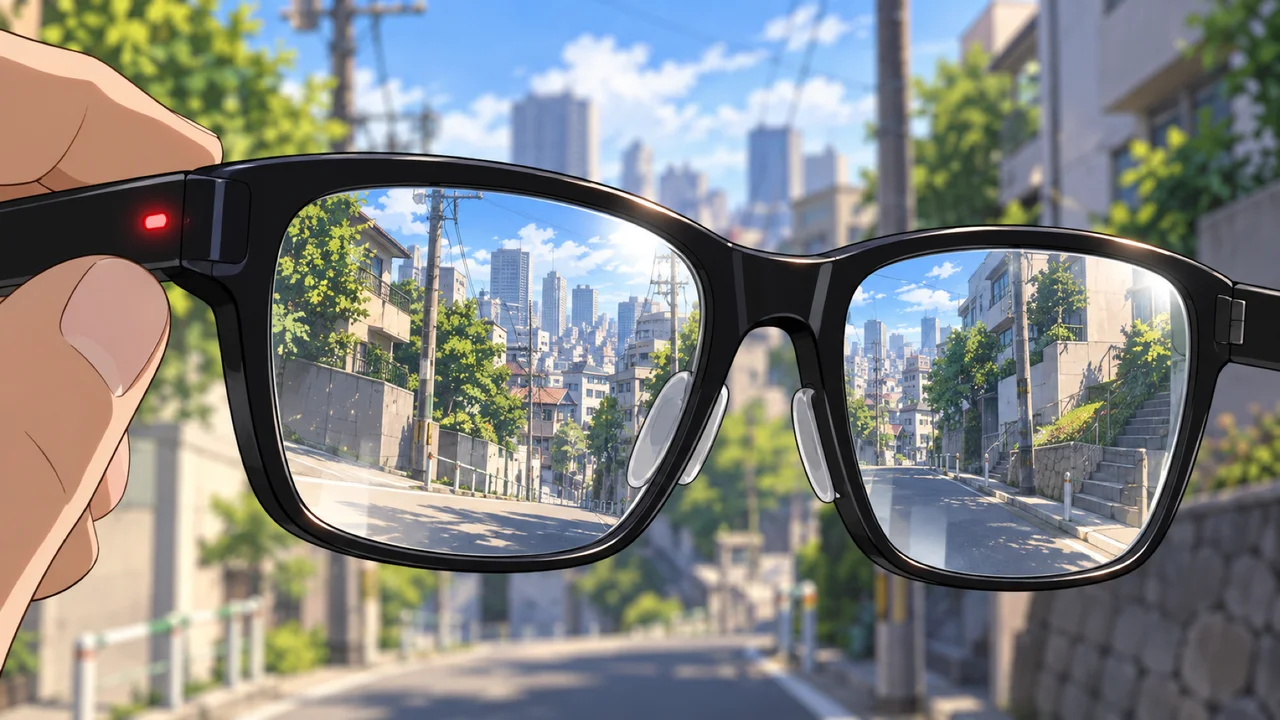
So when glasses that look like normal glasses showed up, I paid attention. If you've watched Dragon Ball, think of the scouter. It sees what you see, hears what you hear, and an AI tells you about it. And it can record.
What went on sale in Japan
Meta and EssilorLuxottica announced the Japan launch for May 21, 2026, at Ray-Ban and Oakley stores, their online stores, authorized retailers and Meta.com. Meta's own authorized retailers followed from June 4, online first.
Here are the official Japanese prices, tax included. The dollar figures are mine, at about 157 yen per dollar.
| Model | Price in Japan | About |
|---|---|---|
| Ray-Ban Meta (Gen 2) | from ¥73,700 | $470 |
| Oakley Meta HSTN | from ¥77,220 | $490 |
| Ray-Ban Meta Optics (Gen 2), prescription lenses sold separately | from ¥82,500 | $525 |
| Oakley Meta Vanguard | from ¥96,580 | $615 |
What the Ray-Ban Meta (Gen 2) does, from the same announcement:
- An ultra-wide 12MP camera that takes photos and 3K video
- Open speakers and microphones for music and calls
- About 8 hours of battery
- Meta AI, started by saying "Hey Meta", which can answer questions about what you are looking at
Meta's quote in the announcement says AI glasses "can see what the user sees, hear what the user hears, and be with them all day long." That sentence is the whole debate. It's the selling point for the wearer, and the problem for everyone else in the room.
The rest of the world is drawing lines
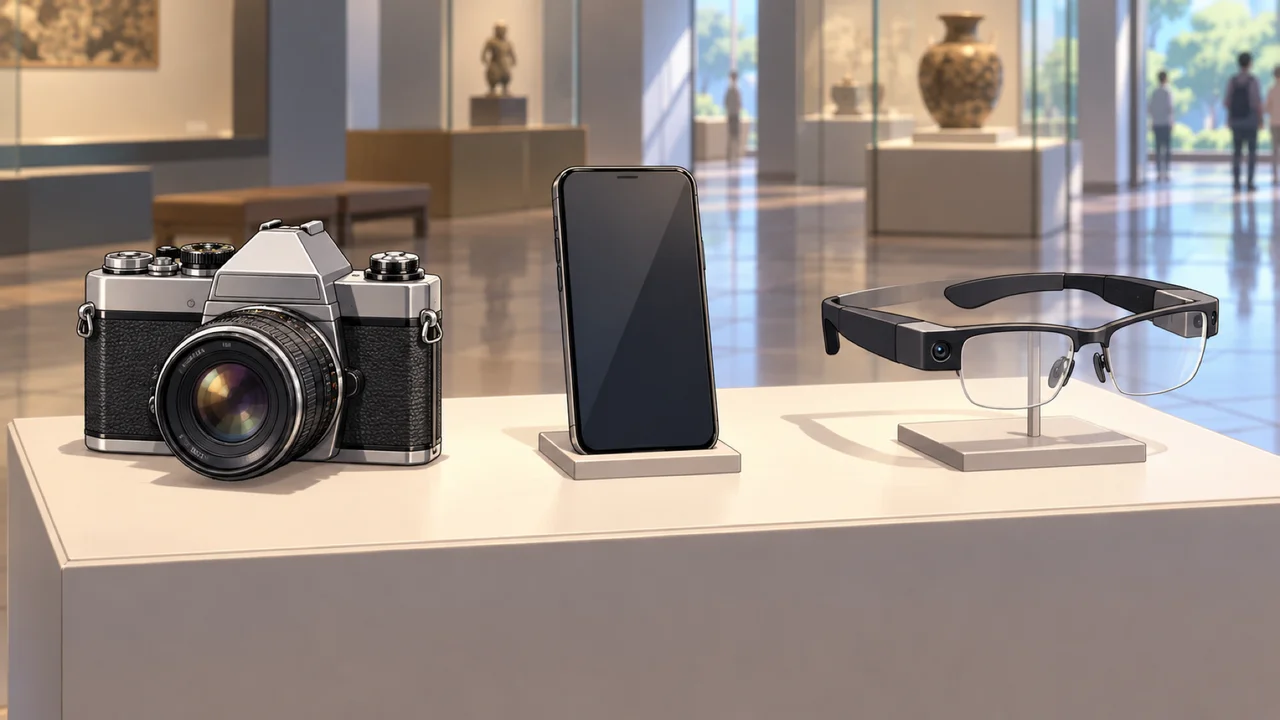
Japan is late to this. Here is what I found in other places, with where each one comes from.
| Where | What | Source |
|---|---|---|
| Wealthy households in the US | NDAs for housekeepers, butlers, tutors, chefs and trainers. One contract banned anyone from coming on site with Google glasses | The New York Times, October 2026 |
| Soho House (UK and worldwide) | Its ban on filming on the premises covers Meta glasses | Bitdefender, citing The Guardian, August 2026 |
| ATG Theatres (UK) | Audiences are asked to remove them during shows | same |
| Wetherspoons pubs (UK) | The chief executive says the glasses enable "surreptitious surveillance" | same |
| UK cinemas | The UK Cinema Association said in August it was bringing in policies to ban or restrict them | AP, October 5, 2026 |
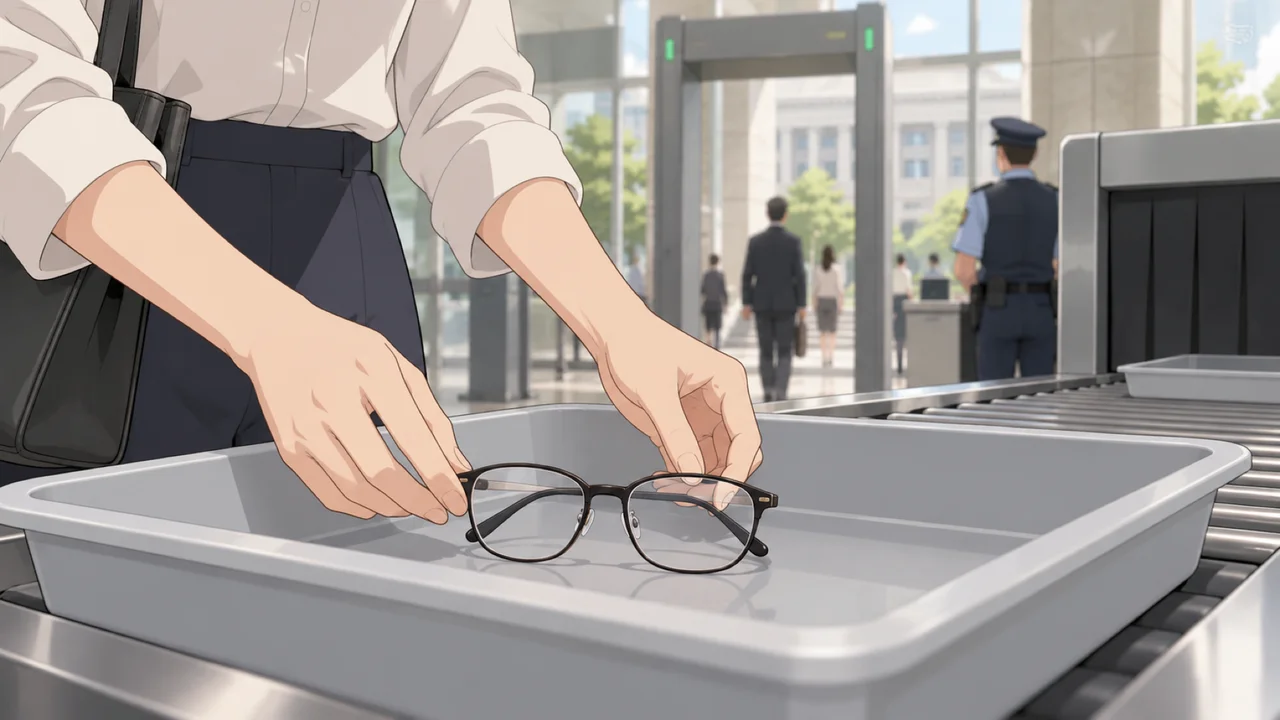
| Courthouses in New York State and Philadelphia | Smart glasses of any type are banned, even with prescription lenses | Road to VR, July 2026 |
| Netherlands | The eyewear chain Hans Anders suspended sales of Ray-Ban Meta | AP, October 5, 2026 |
| Norway | The government proposed a temporary ban in places like schools, playgrounds, gyms with changing rooms, healthcare, parks, beaches and shopping centers | AP, October 5, 2026 |
| California | The governor vetoed a bill that would have penalized recording people without permission in places like changing rooms | AP, October 5, 2026 |
| Western Australia | Banned in public schools | covered in my video |
| South Korea | Banned from exam halls | covered in my video |
A few details from those reports that I couldn't fit into the video.
The New York Times piece is about NDAs in general, not glasses. A Connecticut employment lawyer told the paper that the NDA questions he gets have "easily increased a hundredfold" over the last 10 years. A staffing agency founder said a contract that used to be one paragraph can now run 15 pages. The glasses clause is just one line in that much bigger shift: people who let others into their homes now put privacy in writing.
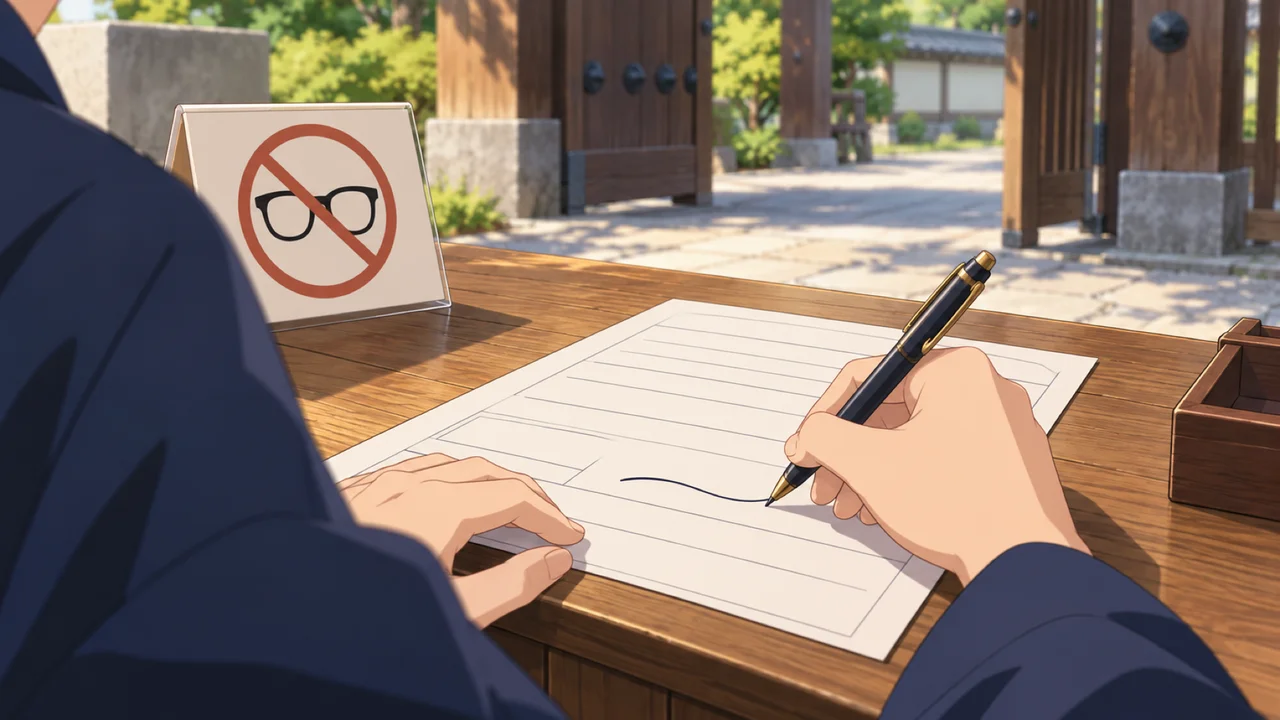
Norway's proposal is not a total ban. The government said the glasses should still be allowed in some places and for private use, and it is looking at exceptions for "socially beneficial uses." It is a ban on use in chosen places, not on sales.
And the worry is not only about the person wearing them. Bitdefender's report says two Swedish newspapers found that footage from the AI features went to Meta's servers, and from there to human workers at a contractor in Nairobi, who labelled it to train Meta's AI. Those workers described seeing people undressing and bank cards. Meta ended that contract and says it has moved to a different provider.
Add AI: from a face to a name
In 2024, two Harvard students, AnhPhu Nguyen and Caine Ardayfio, built a project they called I-XRAY. They paired a normal pair of Ray-Ban Meta glasses with the face search service PimEyes and other tools. The glasses saw a face, and the system went from the face to a name, a phone number and a home address.
They did not release the code. They built it to show what is already possible.
Meta has not released face recognition on its glasses. But Bitdefender's report says an internal feature called "Name Tag" was being developed, to let wearers identify strangers just by looking at them.
Japan's click is a promise, not a law
That shutter sound on Japanese phones isn't a law. It's an agreement between carriers and phone makers from the early 2000s, made to fight hidden photography.
I lived abroad for 12 years, from 2011 to 2023, and I wanted to take photos quietly. So I actually flew to Hong Kong just to buy an iPhone that didn't make that sound.
Here is the part I didn't expect when I looked at the police numbers. The click doesn't stop people from taking secret photos.
Japan's National Police Agency counts the device used in each arrest. These are the 2023 numbers.
| Device used | Arrests under the new national law | Arrests under prefecture rules |
|---|---|---|
| Phone | 975 (81.0%) | 4,499 (78.5%) |
| Small hidden camera | 187 (15.5%) | 1,047 (18.3%) |
| Other camera devices | 41 (3.4%) | 184 (3.2%) |
| Total | 1,203 | 5,730 |
Four out of five cases involved a phone that clicks. So the click is not a lock. It's a signal. The police agency's own guide for building managers lists "an unnatural shutter sound or operating noise" as one of the things to watch for. The same guide already lists glasses-type and pen-type cameras, used on trains, as a method.
That's why the glasses matter. They are not the first hidden camera. They are the first hidden camera that millions of ordinary people will wear all day, made by one of the biggest companies in the world.
The numbers behind the law
Japan made secret photography a national crime on July 13, 2023. Before that, it was handled by each prefecture's nuisance rules. Those rules still exist, and the most common penalty in them is up to 1 year in prison or a ¥1 million fine.
The new law, from the police agency's guide:
| Act | Maximum penalty |
|---|---|
| Secret photography | 3 years in prison or ¥3 million (about $19,000) |
| Keeping those images | 2 years or ¥2 million |
| Sending them to many people | 5 years or ¥5 million |
| Setting up a camera, even if nothing was recorded | An attempt, which is also a crime |
Arrests for secret photography, both laws together:
| Year | New national law | Prefecture rules | Total |
|---|---|---|---|
| 2022 | (not yet in force) | 5,737 | 5,737 |
| 2023 | 1,203 | 5,730 | 6,933 |
| 2024 | 6,310 | 479 | 6,789 |
The law didn't make the problem go away. It made it a national crime, and the arrests moved over to the new law.
What goes wrong in Japan
So let me do the thought experiment. What actually goes wrong if everyone in Japan starts wearing these?
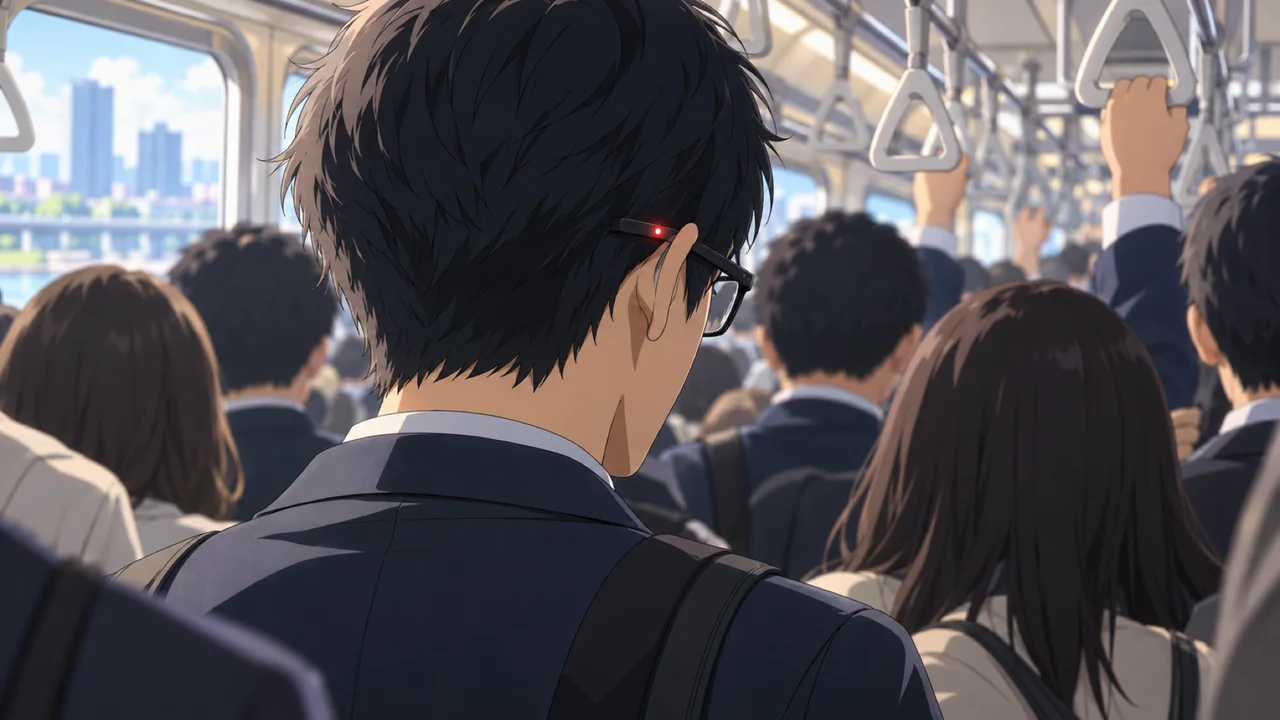
The morning train. If you've never been on a Tokyo train at rush hour, people are pressed so tight you can't lift your arm. Japan has had women-only train cars since 2001, because of groping. The police numbers show why: in 2023, 47.4% of groping arrests happened on trains, and the single busiest time slot was 6 to 9 a.m., with 29.1%. Now put a camera on someone's face in a train like that. A phone has to click. Glasses don't.
The ATM. A Japanese magazine tried smart glasses this summer and found you could read the PIN of the person in front of you in line.

The hot springs. In Japan, we bathe naked with strangers. It's normal. Of the 2023 arrests under prefecture rules, 2,092 (36.5%) were in places where people don't usually wear clothes: homes, toilets, baths and changing rooms. Norway's proposal already names gyms with changing rooms. I haven't seen a Japanese onsen ban smart glasses yet. I'm pretty sure it's coming.
The office. Japan has had a wave of data breaches this autumn. Now imagine a visitor in your meeting room, wearing glasses, looking at your whiteboard.

And then the very Japanese part. Most people here won't say, "Could you take those off?" We read the room. We stay quiet. So the person recording might never be told no.
And Japan already had its warning. In 2024, a student used smart glasses during an entrance exam at Waseda, one of Japan's top universities, to send the questions out. He was referred to prosecutors. Even so, when I looked for a Japanese shop, office or onsen that has banned them, I couldn't find one. Not yet.
How the recording light works now
Most of these glasses have a small light on the front that turns on when they record. Knowing how it works is the most useful thing you can learn this week.
From Road to VR's report on Meta's update:
- Since the second generation of Ray-Ban Meta in 2024, covering the light (with tape, for example) turns the camera off.
- But some people drilled the light out. The old check didn't notice that.
- Meta's v26 update, which is mandatory, now turns the camera off if the light has been tampered with or destroyed. It covers Ray-Ban Meta, Oakley Meta and the new $300 Meta Glasses.
- Meta's terms already said: "You may not tamper with the Glasses or otherwise obscure or modify any of the features on the Glasses that signal to others that the Glasses are recording."
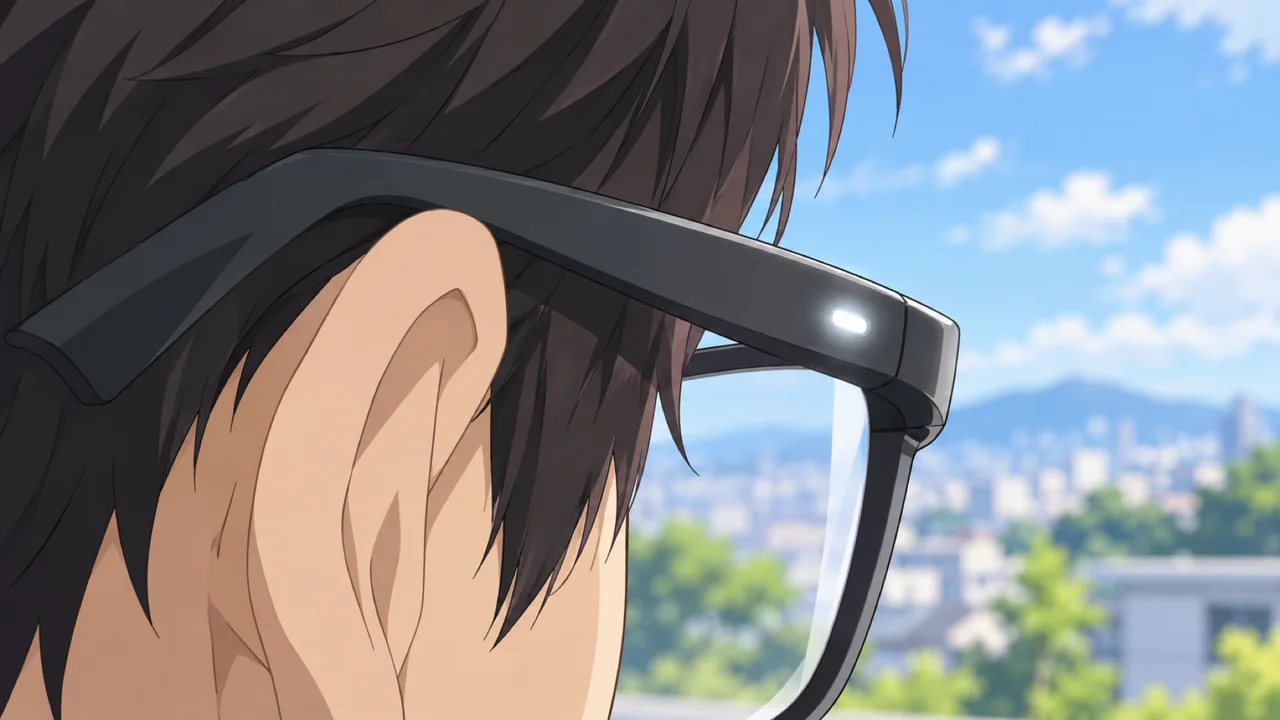
So the light is a fair signal on Meta's glasses with current software. It tells you nothing about other brands, or about glasses that never got the update.
What I would do
If someone walked into a meeting at my company wearing smart glasses, I wouldn't panic. I'd just ask, at the start: "Are those recording?"
If you hire people to work in your home or your office, one line in the contract does more than a long talk. Something like this:
No recording devices, including camera glasses, may be used on site unless we agree in advance.
And if you're the one wearing them, say it first. Even Meta's own advice to its customers says: "Respect people's preferences. Not everyone loves being photographed. Stop recording if anyone expresses that they would rather you not."
Here is the checklist I'm using:
- Learn what the recording light looks like on the models sold in Japan.
- In meetings, ask at the start. It's easier than asking halfway through.
- Add one line about recording devices to contracts for people who come into your home or office.
- If you wear them, tell people before you start, and take them off in changing rooms, baths and toilets.
My last problem
I'm nearsighted. And, well, I'm fifty. So I assumed these glasses weren't for me.
Then I looked it up. The Japan launch includes two frames built for prescription lenses, Blayzer Optics and Scriber Optics, with the lenses sold separately. I haven't checked yet which prescriptions the shops here can fit.
So, the question is back. Do I buy them?
Sources: Meta, "Ray-Ban Meta (Gen 2) and Oakley Meta Launch in Japan" (May 2026). The New York Times, "NDAs: Now They're for Housekeepers and Butlers, Too" (October 2026, read via DNYUZ). Bitdefender, "Meta's Ray-Bans are being banned from pubs, restaurants, and theatres" (August 10, 2026). Road to VR, "Meta Closes Smart Glasses Privacy Loophole With New Camera-Killing Update" (July 8, 2026). The Associated Press, "Norway seeks temporary ban on smart glasses as privacy concerns rise" (October 5, 2026). 404 Media on the I-XRAY project (October 2024). Japan's National Police Agency, results on groping and secret photography arrests in 2023 (May 2024) and its guide for building managers on secret photography (October 2025). Prices in US dollars are at about 157 yen per dollar. Pictures are illustrations, not photos.